Turn the tide on plastics

Turn the tide on plastics

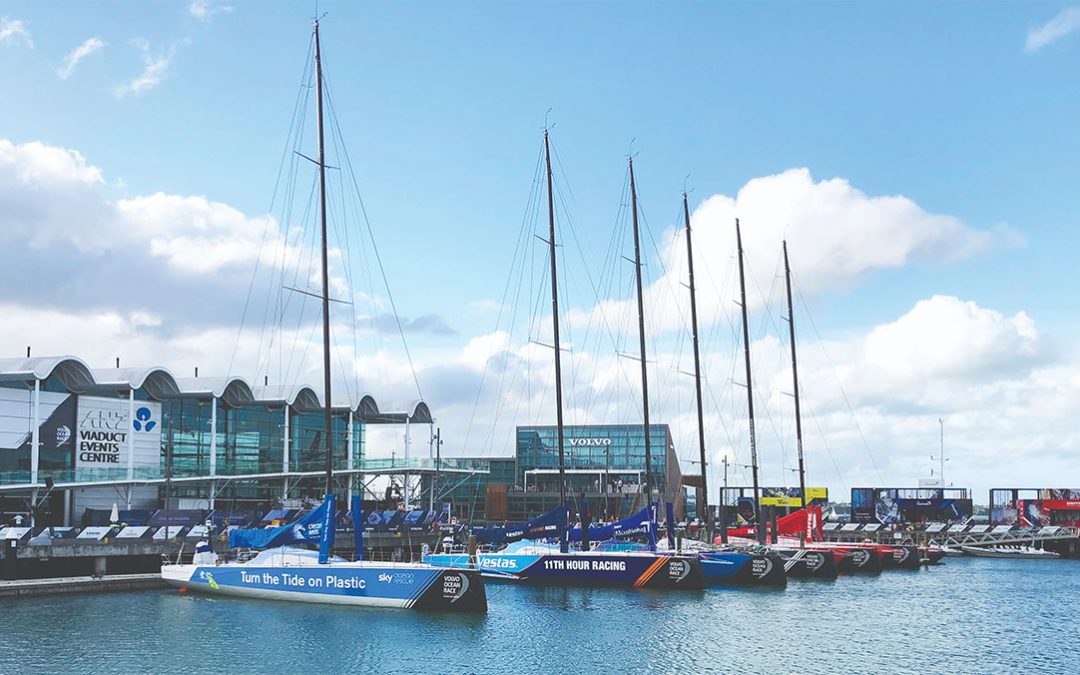
We were lucky enough to be invited along to a recent Volvo Ocean Race function to witness New Zealand’s Associate Environment Minister, Eugenie Sage, sign New Zealand up to the United Nations Clean Seas campaign. We are the 42nd country to do so.

In this year’s Volvo Ocean Race there’s a team called ‘Turn The Tide On Plastic’ representing the United Nations’ ‘Clean Seas’ initiative. They’re campaigning throughout the eight months of the race to raise awareness about the problem of plastics in our oceans.

Did you know that scientist estimate there is over 150 million tonnes of plastic in the world’s oceans and that every year 8 million more tonnes is added!
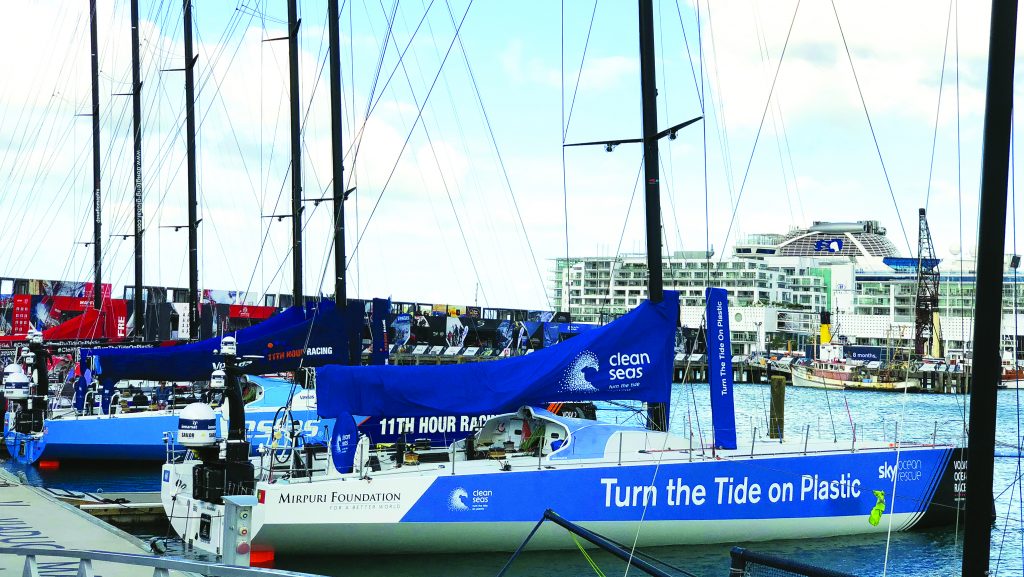
 

Volvo Ocean Race


This plastic can then be ingested by whales, turtles and other larger marine animals, or breaks apart (very slowly) forming microplastics that are ingested by animals at the bottom of the food chain, such as plankton. The plastic then works its way back up the food chain as bigger fish eat the smaller fish until eventually it ends up on our dinner plates.

Because the boats in the Volvo Ocean Race travel through such remote parts of the world’s ocean, they provide the perfect opportunity to test how much plastic is in those waters. The Turn The Tide On Plastic team is deploying specialised scientific equipment as they race, providing valuable data for scientists to study.
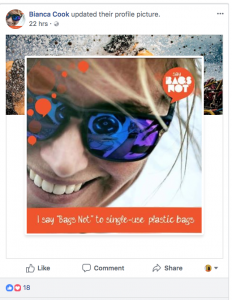
 

Bianca Cook 'Bags Not' Facebook profile picNew Zealand sailor Bianca Cook is on board the Turn The Tide On Plastic boat. She spoke at the event highlighting the shocking amounts of plastic they have seen during the race and how everyone needs to work together to stop using single-use plastics. She’s also onboard and spreading the word as an early-adopter of our “Bags Not” Facebook profile pic. You can too. To show your support like Bianca and change your profile pic.

Minister Sage spoke about what we do on the land affects the oceans. “People need to think about whether they really need that single-use plastic bag, single-use plastic straw an disposable packaging.”


To learn more about the Turn The Tide On Plastic campaign, check out the Clean Seas website: www.cleanseas.org.

For more info on the Volvo Ocean Race and how Bianca’s team are tracking, take a look at their website: www.volvooceanrace.com.


Every little helps

Every little helps

Every little effort you make to reduce your use of plastics, no matter how small it may seem, contributes to solving the plastic pollution problem.

Sure, the big supermarket chains and retail stores can make changes that will have a big impact. But if we all work together, our little changes can go a long way. It’s not just in the actual reduction of your plastic usage, but perhaps more importantly in helping to inspire changes around you by adding momentum to the movement.

A simple action can be a very powerful motivator. If your colleague, your friend, your loved one, or even the person standing behind you in the queue sees you take out your reusable bag or water bottle, or hears you say “Bags Not” to a single-use plastic bag, they will make a mental note and it will take them one step closer to adopting those actions. The more these actions are seen and noted, the more people adopt them and the more they become the norm.

That’s what “Bags Not” is trying to achieve. We want all Kiwis to become aware of the plastic pollution problem and do their little bit to help solve it. It’s something we have all played a part in creating. Now it’s time we all played a part in ending it.

Remember, every avalanche starts with a single snowflake.

So do what you can, do your utmost to change the way you use plastics starting with plastic bags. Take the “Bags Not” 7-Day Challenge and then see how you go from there. Think of it as your gateway to living a less wasteful lifestyle.

To those of you who are further along your journey of change, keep doing what you’re doing, you never know how many people you have influenced by your actions. If you have a particular use for single-use plastics and you can’t find an environmentally-friendly solution, ask around. Talk to your friends and colleagues, or ask around your community. Do some research online. I can guarantee that you’re not the only one with the same problem. And hey, you never know, it may even be a business opportunity!

Ghandi said “Be the change you wish to see in the world”. It’s a sentiment that rings true. Remember, plastic doesn’t go away, it all goes somewhere. The best thing is to not use it in the first place.

Come on New Zealand, we’ve got this!

Nick Morrison
Director
Go Well Consulting

Every little helps

Plastic-free me

New Zealand’s excellent new Soft Plastics Recycling programme is doing a brilliant job. Last year, Kiwis disposed of 100 tonnes of single-use plastic bags and other soft plastic wrapping at participating supermarkets and retail stores around the country. Awesome!

Where can plastic bags be recycled?

In truth though, less than 1% of our soft plastics are being recycled. The rest is still heading to the landfills, or escaping into the environment. Not good.

If you’ve been doing the “Bags Not” 7-Day Challenge and learning how easy it is to live life free of plastic bags, you’re well on your way to becoming plastic bag-free. Keep up the good work.

And if you want to become even more plastic-free, there are plenty of great businesses who can help.

Auckland shoppers might already know about GoodFor, the plastic-free whole foods store in Ponsonby and Parnell. They ship nationwide with free packaging and delivery on orders over $100.

For shopping online there’s Package Free Shop, a store that sells bathroom and cleaning products unpackaged and free from waste. There’s also Life Without Plastic which sells a range of plastic-free drinkware and home decor products.

Every little change makes a big difference, so give these guys a go and give yourself a pat on the back for becoming a plastic-free me.

Take 3 for the sea

Take 3 for the sea

Little things can make a big difference. And if everyone does their part we can tackle the big problems. That’s the philosophy behind Sydney-based eco-initiative Take 3. They started from a simple idea back in 2009, that if everyone who went to the beach picked up just three pieces of rubbish, there would be nothing left to float out into our oceans.

It seems simple, but that’s the genius of it. Anyone can pick up a few bits of rubbish and if everyone does it makes a significant difference. By getting ahead of the problem, they hope to make a real impact in reducing plastic pollution.

We can all learn something from this simple and inspiring idea from our friends across the Tasman. So next time you’re at the beach, see if you can pick up a few bits of rubbish. Then take a picture of it, post it up on social media and challenge your friends to do the same.

Visit www.take3.org to find out more.

Every little helps

Local heroes

Many communities around Aotearoa are blazing a plastic bag-free trail already. Grassroots initiatives across the country are driving awareness of the damage single-use bags do to our environment. We want to give a shout out to a few Kiwi communities who are paving the way for the rest of us by showing what can be done with a bit of local pride.

Matakana residents launched their own community-run Boomerang Bag scheme last July. Shoppers who don’t have their own reusable bags can now borrow a fabric bag made by Boomerang Bags, then return it when they’re done. “It’s super exciting, but we need help with sewing and cutting,” says local resident and founder Josie Jackson. Sewing bees were held at the local school and community hall to manufacture enough bags for locals. Organisers launched the scheme in July to coincide with ‘Plastic Free July’, an initiative aimed at cutting single-use plastic bag, bottle and container use across 130 countries. Way to go Matakana!

There’s a broader campaign gaining traction in Raglan. Plastic Bag Free Raglan aims to make the town completely free of single-use plastic bags by 2019. They’ve developed their own certification for local businesses who ditched the plastic and have so far managed to bring on loads of local businesses including hardware stores, supermarkets, bakeries, hair salons, and even the local vet clinic.

Read all about Plastic Bag Free Raglan’s stellar effort here: https://plasticbagfreeraglan.nz/

Meanwhile, another awesome anti-plastic initiative is gaining solid support on the island. Plastic-Free Pantry delivers whole foods like nuts, grains, pasta, rice, dried fruits and seeds to Waiheke residents in plain paper bags. They also sell a range of glass storage jars to help you do without plastic.

So what’s next New Zealand? If you find yourself inspired by these stories about community-driven change, then why not get something going in your corner of NZ? Perhaps you have already. If so we’d love to hear from you – drop us a line.

You can help the “Bags Not” movement to gain momentum by sharing our website on social media.

And next time someone offers you a plastic bag at the checkout, you can just say “Bags Not”.

Sea Cleaners

Sea Cleaners

The “Bags Not” movement is helping to reduce the 1.6 billion single-use plastic bags Kiwis use each year. In the process, we hope this will slow the tide of plastic waste that ends up in the environment and in our waterways. The problem is there’s already loads of trash floating around in our rivers, lakes and oceans. That’s where the awesome team at Sea Cleaners come in.

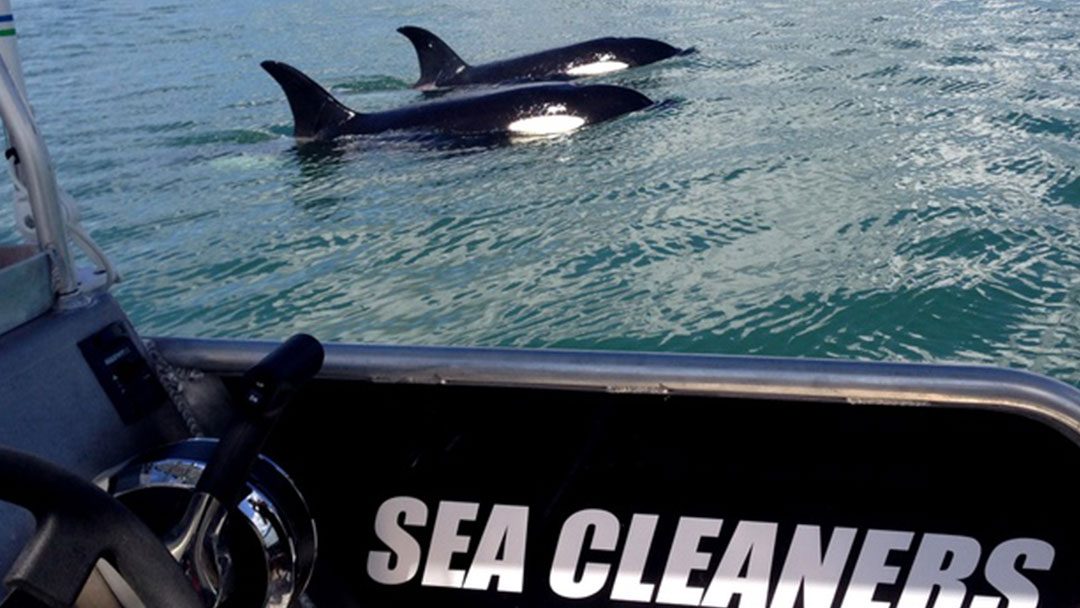
Sea Cleaners is a charitable trust dedicated to pulling rubbish out of our waterways. Founder Hayden Smith and his team remove up to 10,000 litres of waste a day, using three vessels. They’ve pulled over five and a half million litres of waste out of the water to date! If you’re struggling to fathom just how much that is, imagine one litre. Then multiply that by five and a half million times. It’s a massive effort. Today Hayden and his crews operate four boats and they’re fuelled by an army of volunteers who each give up a little of their time to help make New Zealand’s waters cleaner.

If you’d like to volunteer with Sea Cleaners, visit their website or drop them an email: volunteer@seacleaners.com